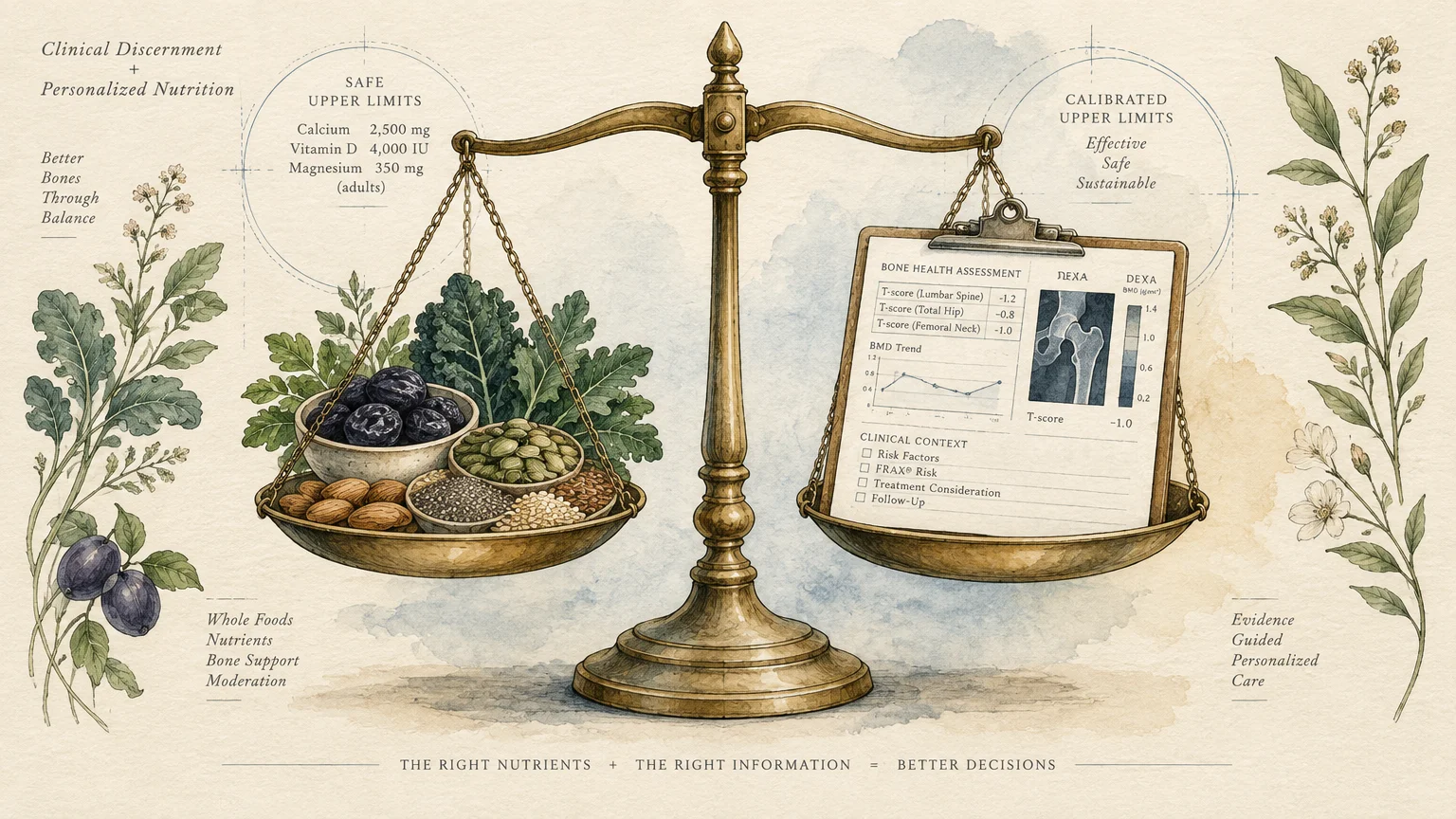
Safety, Personalization, and Clinical Boundaries
While whole foods offer gentle nourishment for most individuals, specific medical conditions require personalized dietary adjustments. You must tailor these food recommendations to suit your unique health history and existing prescription treatments.
Patients taking anticoagulant medications such as warfarin must monitor their dietary vitamin K intake carefully. Cooked collard greens supply substantial vitamin K, which can alter medication blood-thinning effectiveness if your consumption fluctuates abruptly.
Maintain a steady, predictable weekly intake of dark greens and consult your physician before increasing collard consumption. Consistent habits allow your clinical care team to adjust medication dosages safely without compromising cardiovascular protection.
Individuals managing gout or advanced kidney disease should monitor the purines and phosphorus found in canned sardines. If you have a history of calcium oxalate kidney stones, choose low-oxalate collards over high-oxalate spinach.
Always consult a registered dietitian or physician before altering your regular nutritional regimen significantly. A personalized clinical review ensures that your bone-strengthening plan supports your cardiovascular, renal, and metabolic health.