
Strategy Pillar Three: Habit Formation for Food Safety
Transforming food safety from an occasional panic into an ingrained habit protects your long-term health. Your first operational habit involves mastering the art of lot code inspection. Every packaged food features a printed string of numbers and letters detailing its production facility, date, and batch.
Train yourself to locate these codes immediately upon returning from the grocery store. Cross-referencing these numbers against official alerts before placing the items in your pantry ensures compromised goods never enter your rotation. This simple verification process serves as your primary defense against foodborne pathogens.
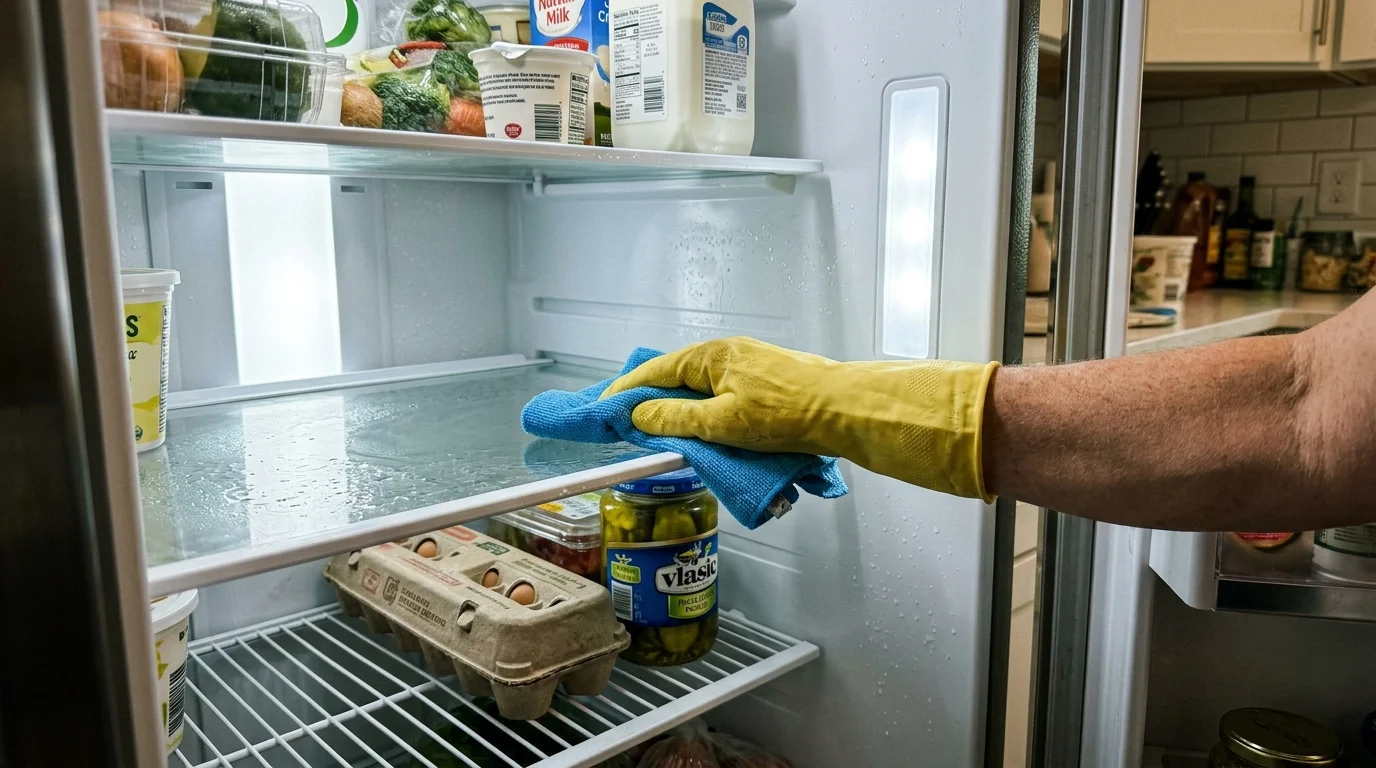
Maintaining a pristine refrigerator environment constitutes your second essential safety habit. Bacteria like Listeria thrive at standard refrigeration temperatures, meaning a recalled item can contaminate your crisper drawers and surrounding shelves even after you throw it away. Commit to a monthly deep cleaning routine for your refrigerator.
Remove all items, wash the shelving units with hot soapy water, and apply a mild bleach solution to eliminate lingering microbial threats. Storing raw meats and unwashed produce in dedicated, sealed containers further prevents cross-contamination, ensuring that an isolated product issue does not spread to your safe ingredients.
Finally, cultivate the habit of leveraging digital tools for real-time safety alerts. Relying on evening news broadcasts for recall information often results in dangerous delays. Instead, bookmark the official regulatory websites or subscribe to automated email notifications from government health agencies.
Integrating a quick check of the Food and Drug Administration recall portal into your weekly meal planning session guarantees you base your grocery list on the most current safety data available. Proactive monitoring eliminates the guesswork and empowers you to navigate the supermarket aisles with absolute confidence in your purchasing decisions.