
Safety First: Personalization and Vulnerable Groups
Foodborne pathogens do not impact every individual equally, making personalized risk assessment a critical component of food safety. Pregnant women, infants, the elderly, and individuals with compromised immune systems face exponentially higher risks when exposed to contaminated food.
For example, a Listeria infection during pregnancy can lead to severe complications, premature delivery, or life-threatening conditions for the newborn, even if the mother experiences only mild flu-like symptoms. If you fall into a high-risk category, you must exercise extreme caution, strictly adhering to recall notices and thoroughly cooking all applicable foods to their recommended internal temperatures.
Understanding when to transition from home care to professional medical intervention saves lives. If you accidentally consume a recalled product and develop symptoms such as persistent vomiting, bloody diarrhea, or a fever exceeding 102 degrees Fahrenheit, you must seek immediate clinical evaluation.
Do not attempt to manage severe dehydration or prolonged neurological symptoms independently. Always consult your primary care physician or a registered dietitian when you have concerns about your dietary exposure. You can explore comprehensive safety protocols for vulnerable populations through the Academy of Nutrition and Dietetics food safety resources.
Frequently Asked Questions
How do I find the lot number on my packaged food?
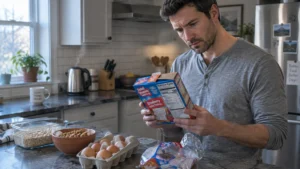
Manufacturers typically print the lot number and expiration date on the bottom, side panel, or back of the product packaging. You will often find it stamped in ink near the barcode or nutritional facts panel. This alphanumeric code identifies the specific batch and manufacturing facility, allowing you to match it precisely against the numbers listed in official recall announcements.
Can cooking a recalled food make it safe to eat?
You should never attempt to salvage a recalled food by cooking or freezing it. While thorough heating can kill certain strains of bacteria like Salmonella, it does not eliminate heat-stable toxins produced by bacteria, nor does it remove physical contaminants like plastic or undeclared allergens. Discarding the product entirely remains the only guaranteed method to protect your health.
Does the grocery store automatically refund me for recalled items?
Most major grocery chains offer full refunds for recalled products, even if you opened the packaging or misplaced your original receipt. You simply need to bring the item, or occasionally just the packaging showing the lot number, to the customer service desk. Many stores also use loyalty card data to automatically notify you and issue digital refunds for affected purchases.
What are the first symptoms of a foodborne bacterial infection?
Initial symptoms of a bacterial infection typically include abdominal cramping, nausea, vomiting, diarrhea, and a low-grade fever. The onset time varies drastically depending on the pathogen; Salmonella symptoms usually appear within six to seventy-two hours, whereas Listeria can incubate for several weeks before manifesting. Monitoring your body closely after a known exposure helps you communicate effectively with your healthcare provider.
Your Next Steps for a Safer Kitchen
Securing your kitchen against recalled products requires action, not just awareness. Within the next twenty-four hours, dedicate ten minutes to inspecting your refrigerator and pantry for the seventeen foods highlighted in this alert. Check the lot numbers, discard any matching items, and sanitize the surrounding shelf space. By taking this immediate, concrete step, you instantly elevate your household’s safety and create a healthier environment for your family. Equip yourself with knowledge, embrace flexible meal planning, and turn food safety into an effortless part of your everyday nutritional journey.